Defination
I define different futurist styles through this quadrant of cultural and design imagination. It maps various speculative aesthetics and how we envision the future.
- The X-axis moves from Utopia to Dystopia, reflecting optimism or despair.
- The Y-axis moves from Explicit Tech to Invisible Tech, showing whether technology is seen or unseen.
Space Age Optimism lies in the upper-left, filled with rockets🚀, chrome, and faith in a brighter future powered by technology.
Timeline
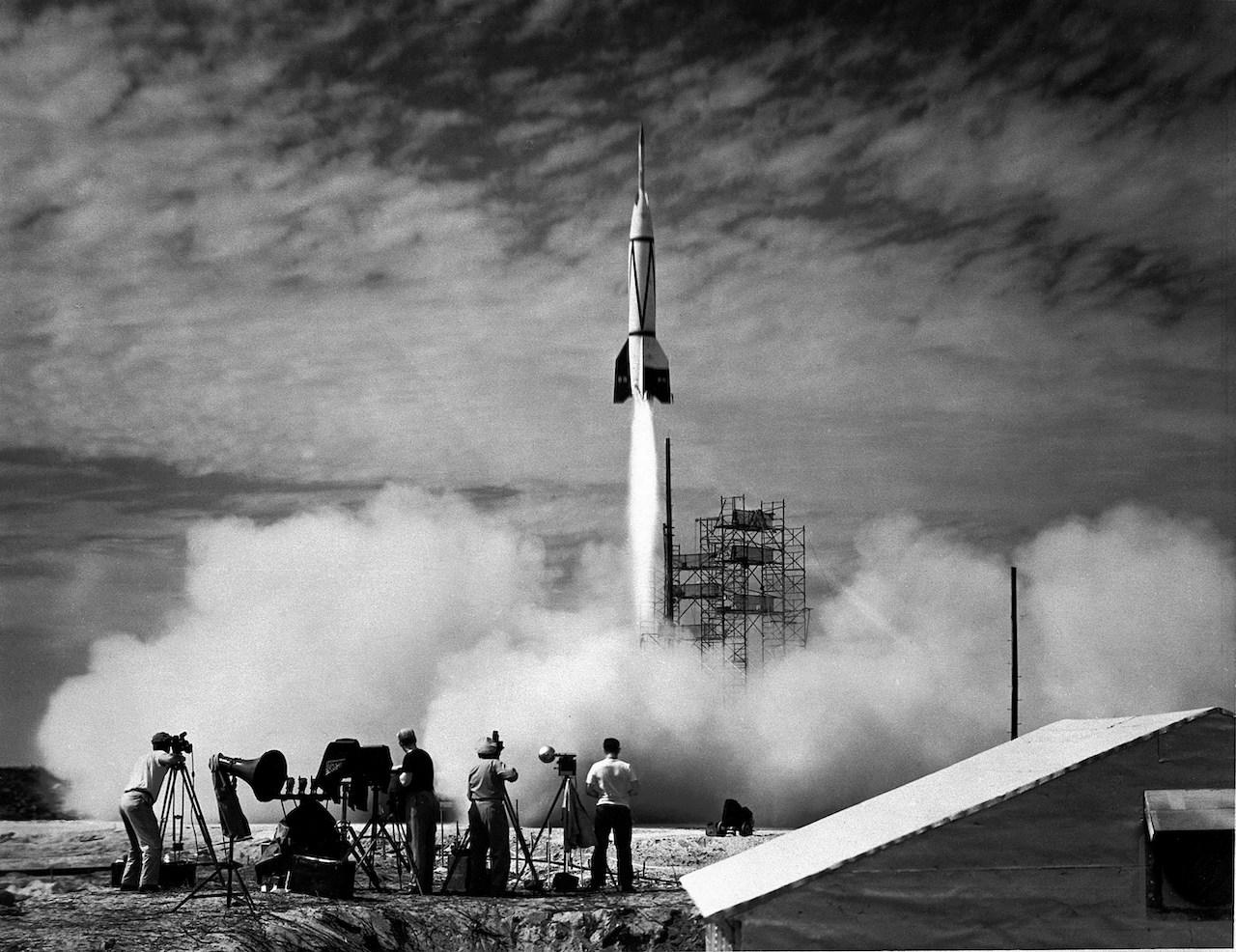
Captured German rockets launch from desert sands. Propaganda posters weaponize the cosmos. A beeping sphere rewrites history.
NACA engineers fire V-2 rockets skyward from White Sands Proving Ground, salvaging Nazi technology for American ambitions. Propaganda artists on both sides paint space as destiny manifest—Soviets promise communist stars, Americans counter with capitalist orbits. Then in 1957, Sputnik's radio pulse cuts through Cold War rhetoric, announcing that the future belongs to whoever reaches it first. The Space Race ignites.
1945
Post-War Reconstruction
1957 · 1969
Sputnik / Apollo 11
1973 · 1979
Energy & Environment
2000s
Retro Revival
Aesthetic Characteristics
Color Language
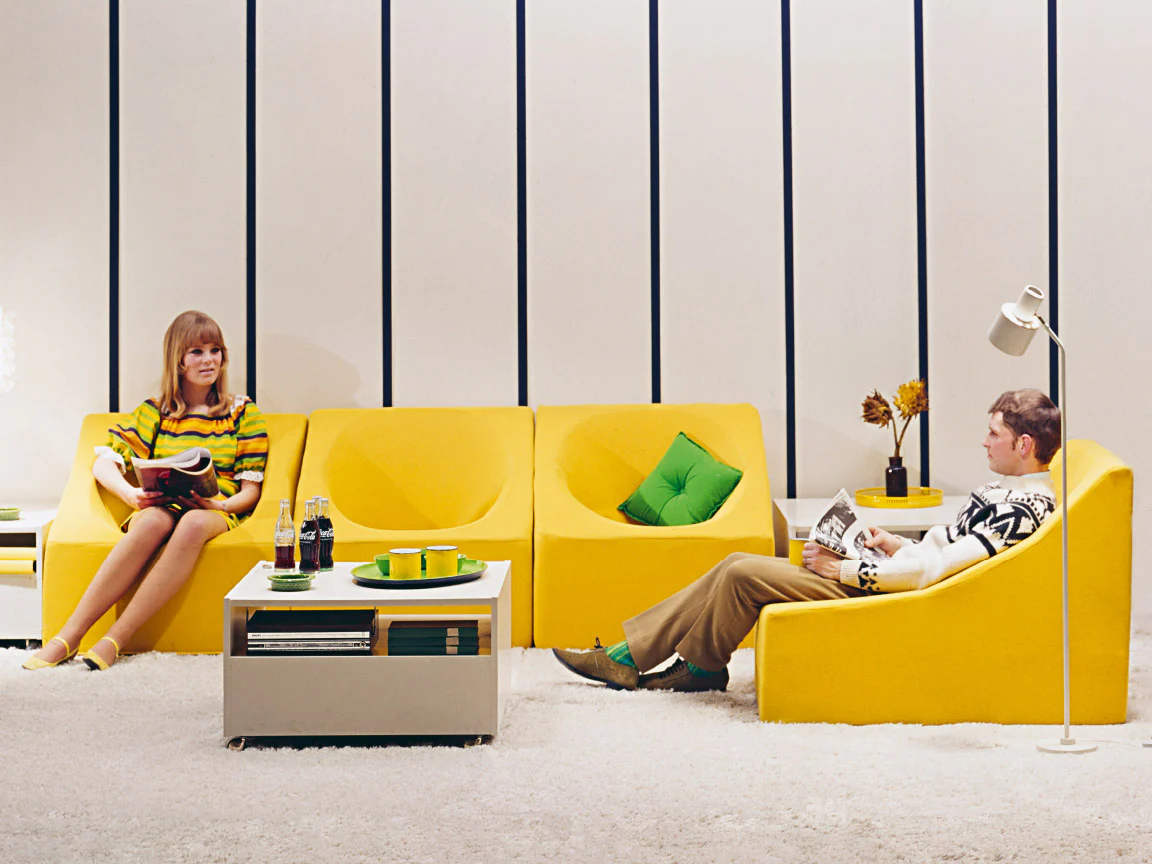
Space Age design spoke in saturated, synthetic hues — colors engineered in laboratories rather than inherited from nature. These pigments rejected subtlety; they were proclamations: The future has arrived, and it’s brighter than anything your grandparents could imagine.
The same bold palette could wrap a Cadillac, a telephone, or a living room wall. Color became the vernacular of progress — a visual language promising that technology would dissolve all boundaries. What mattered wasn’t realism but aspiration: not the color of earth, but the color of tomorrow.
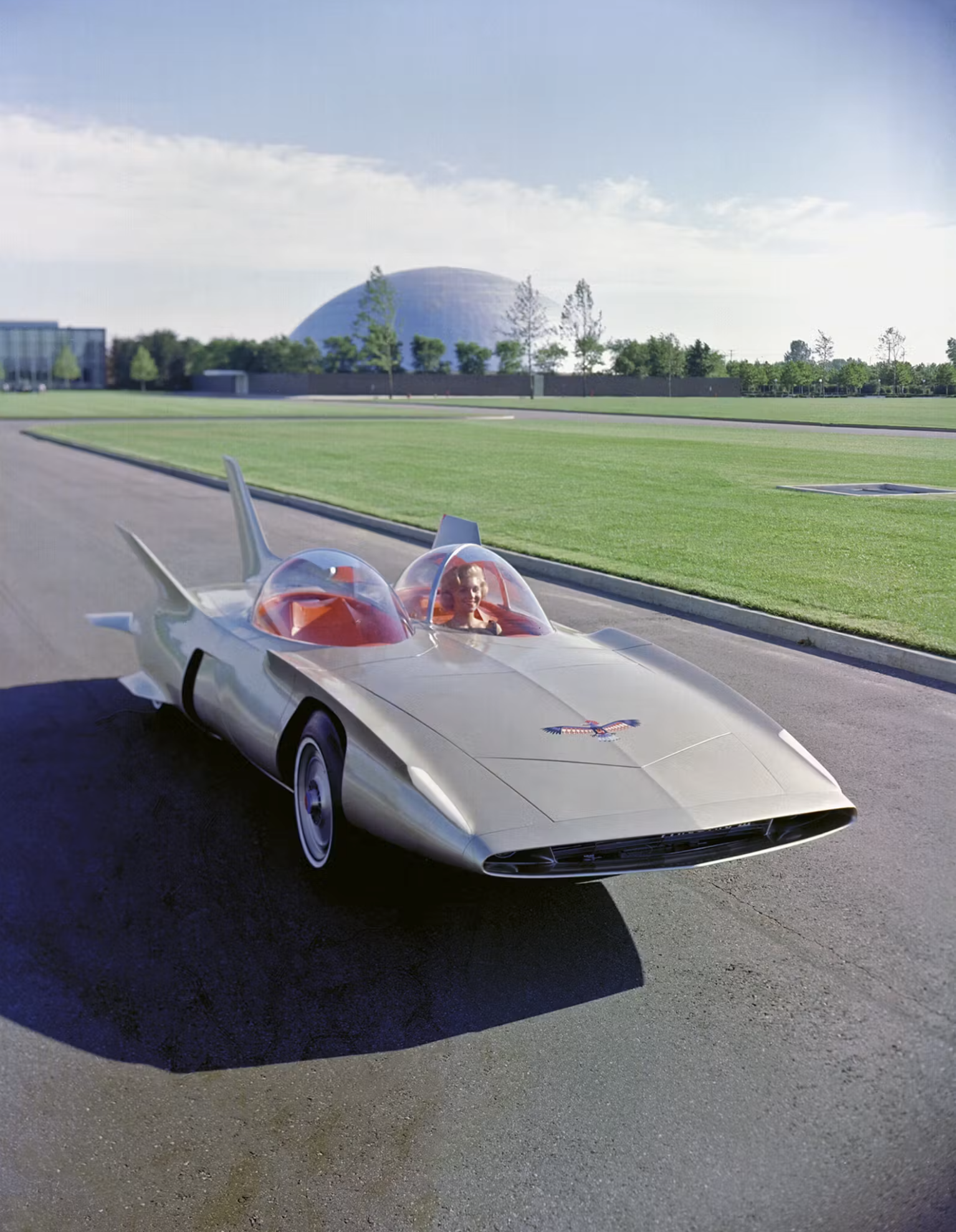
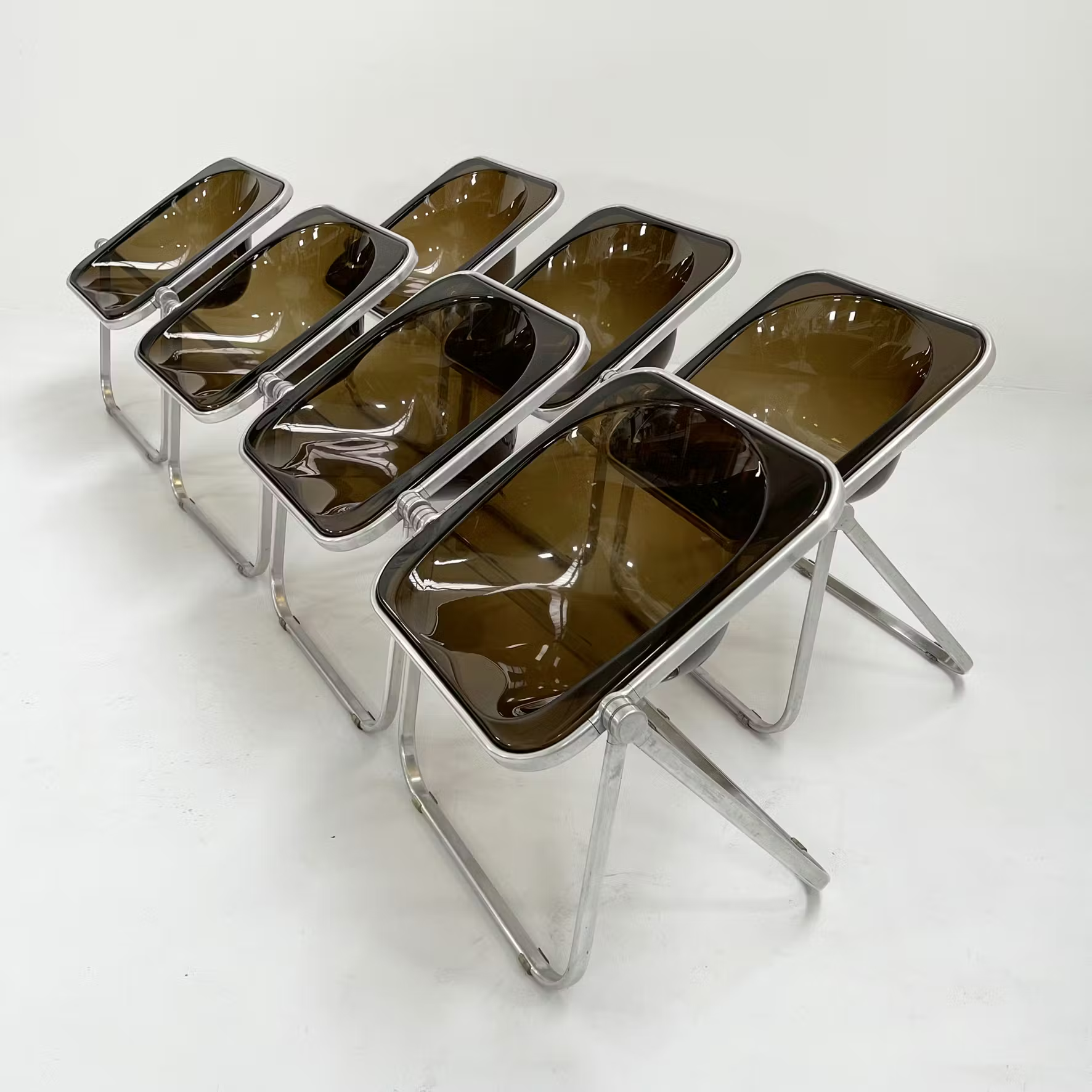
Space Age design celebrated a union of science and style. Its forms were aerodynamic, organic, and modular — furniture looked ready to lift off, and architecture seemed to float. Materials like fiberglass, acrylic, and polished aluminum reflected the age’s fascination with spacecraft and satellites. Designers borrowed from aeronautical engineering and atomic motifs, translating them into household objects that made the future feel tactile and domestic. This aesthetic turned laboratories into living rooms and made optimism a design principle.
Architecture of Tomorrow
Space Age buildings rejected the past's right angles and earthbound gravity. They reached skyward with parabolic arches, cantilevered overhangs, and hyperbolic paraboloid shells.
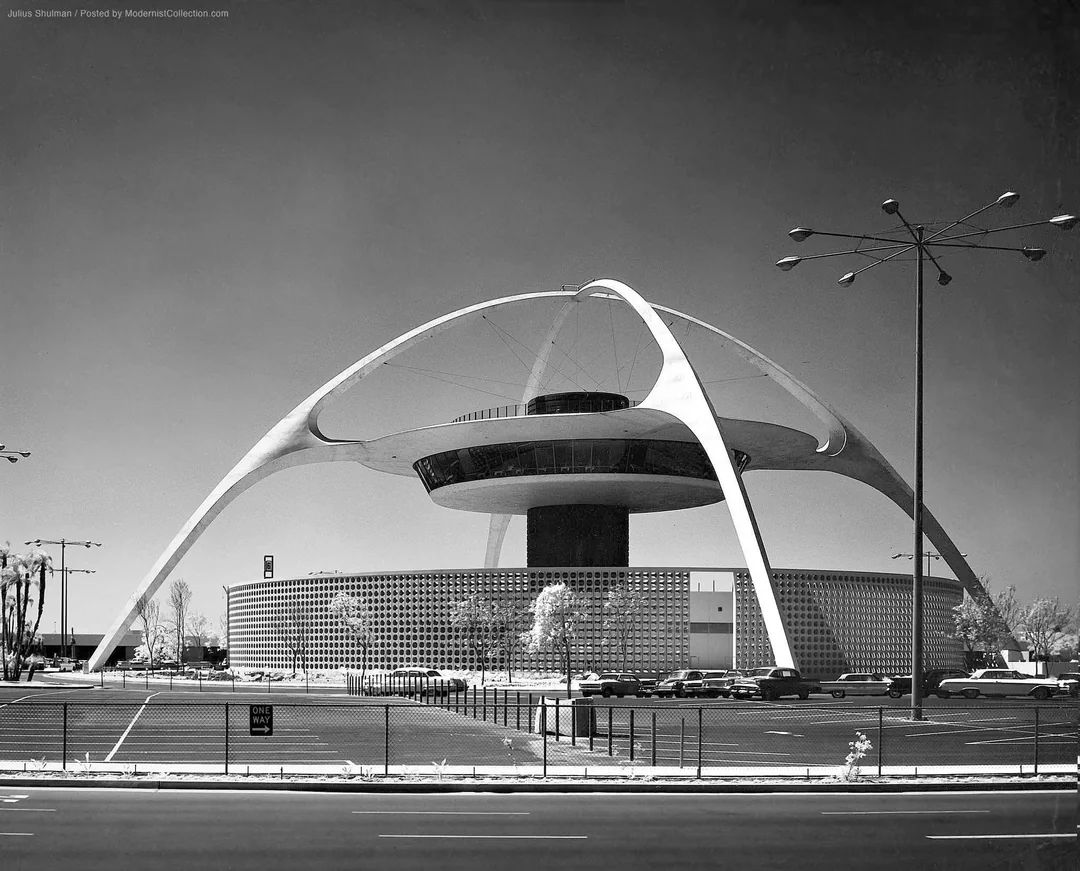
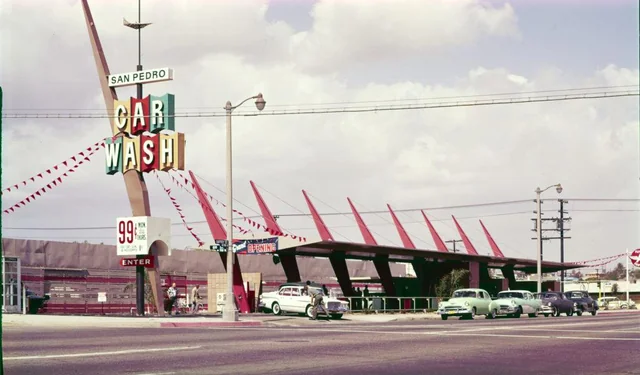
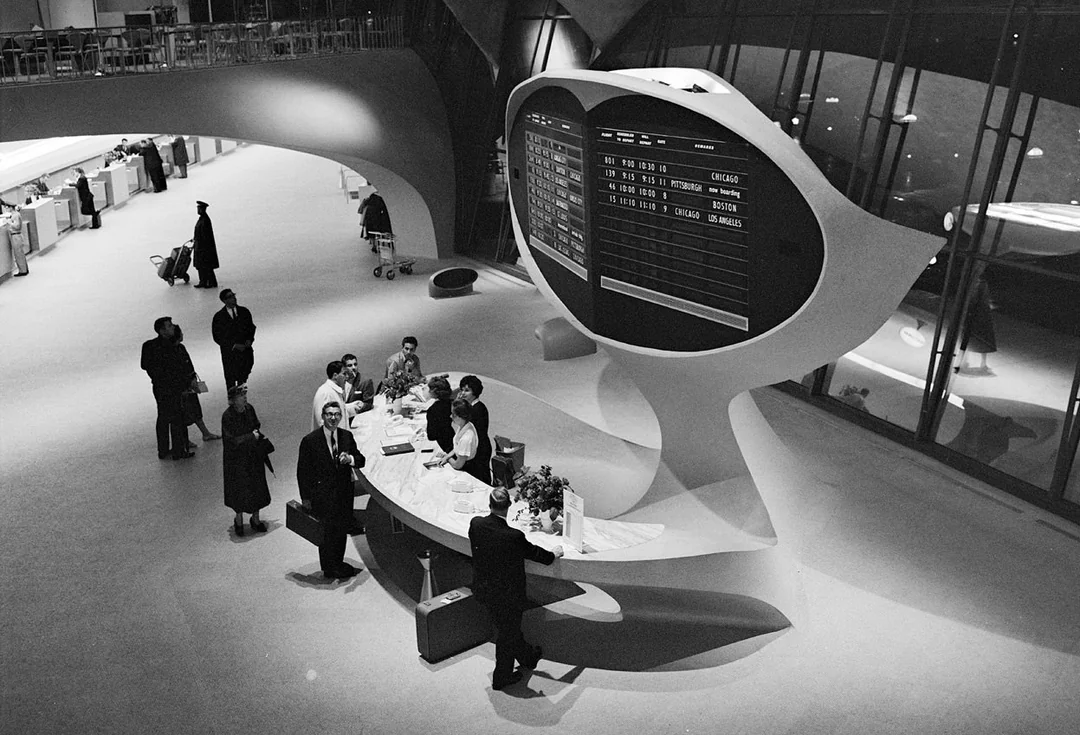
Glass expanses dissolved walls into transparency. Concrete twisted into organic curves. Structures became sculptures, and gas stations looked like spacecraft preparing for launch.
Many still stand, quietly aging, their optimism now patinated by time.
Opposite Corners of the Future
In the quadrant, Space Age Optimism sits in the upper-left: a utopian world of visible technology, where chrome, rockets, and color embodied faith in progress.
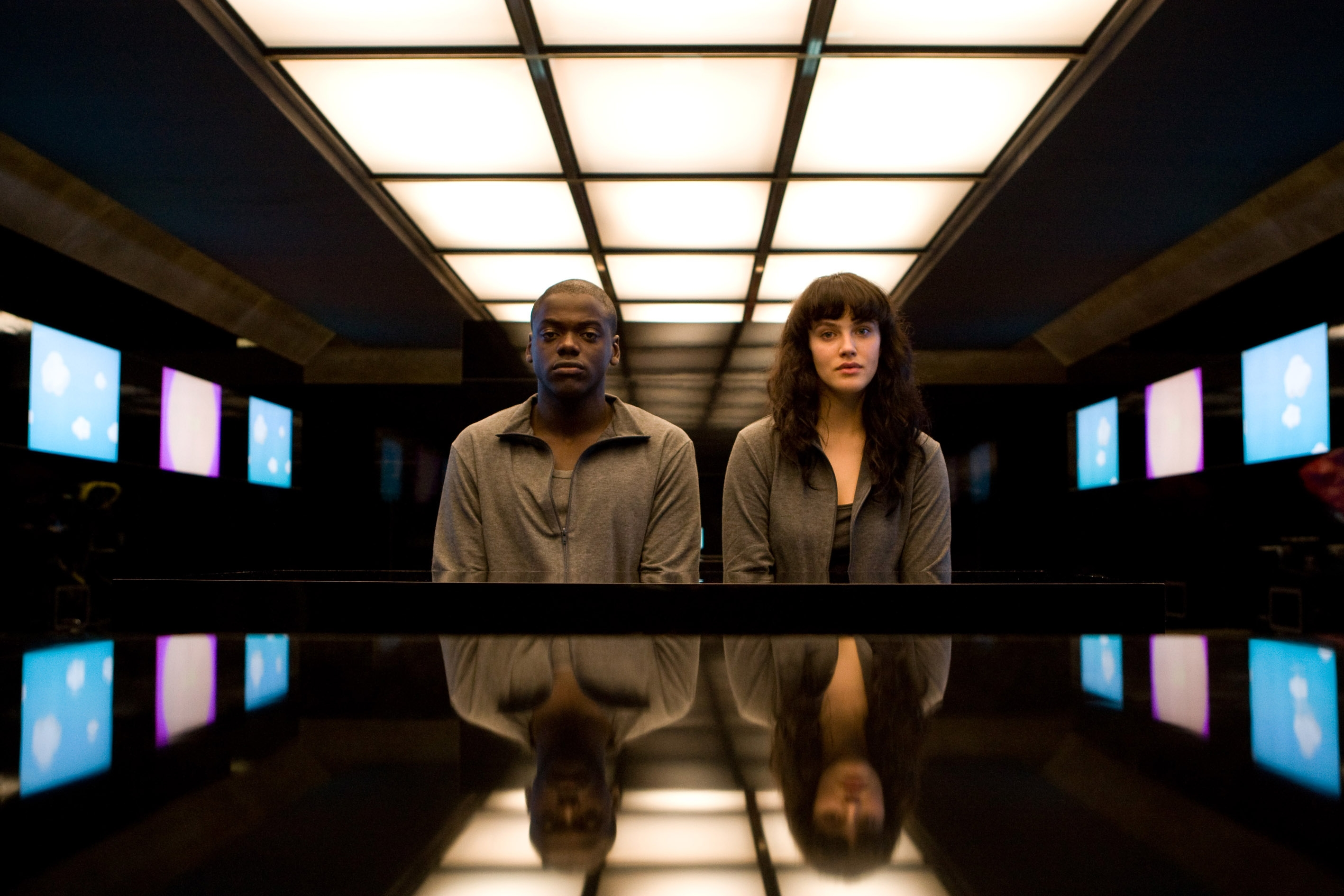
Black Mirror, in contrast, lies in the lower-right: a dystopia of invisible technology, where algorithms replace architecture and control hides behind the screen.
One believes technology will liberate us; the other fears it will define us.
Then and Now
Time has turned the Space Age dream into an artifact. What was once a vision of tomorrow, full of pastel curves, glass, and chrome, now stands faded and rusted, a relic of futures that never arrived. The optimism of 1958 imagined progress as color and form, while the reality of 2025 shows what happens when utopia is left unattended.
Even in decay, the structure keeps a quiet kind of beauty, reminding us that every dream of the future eventually becomes part of the past.
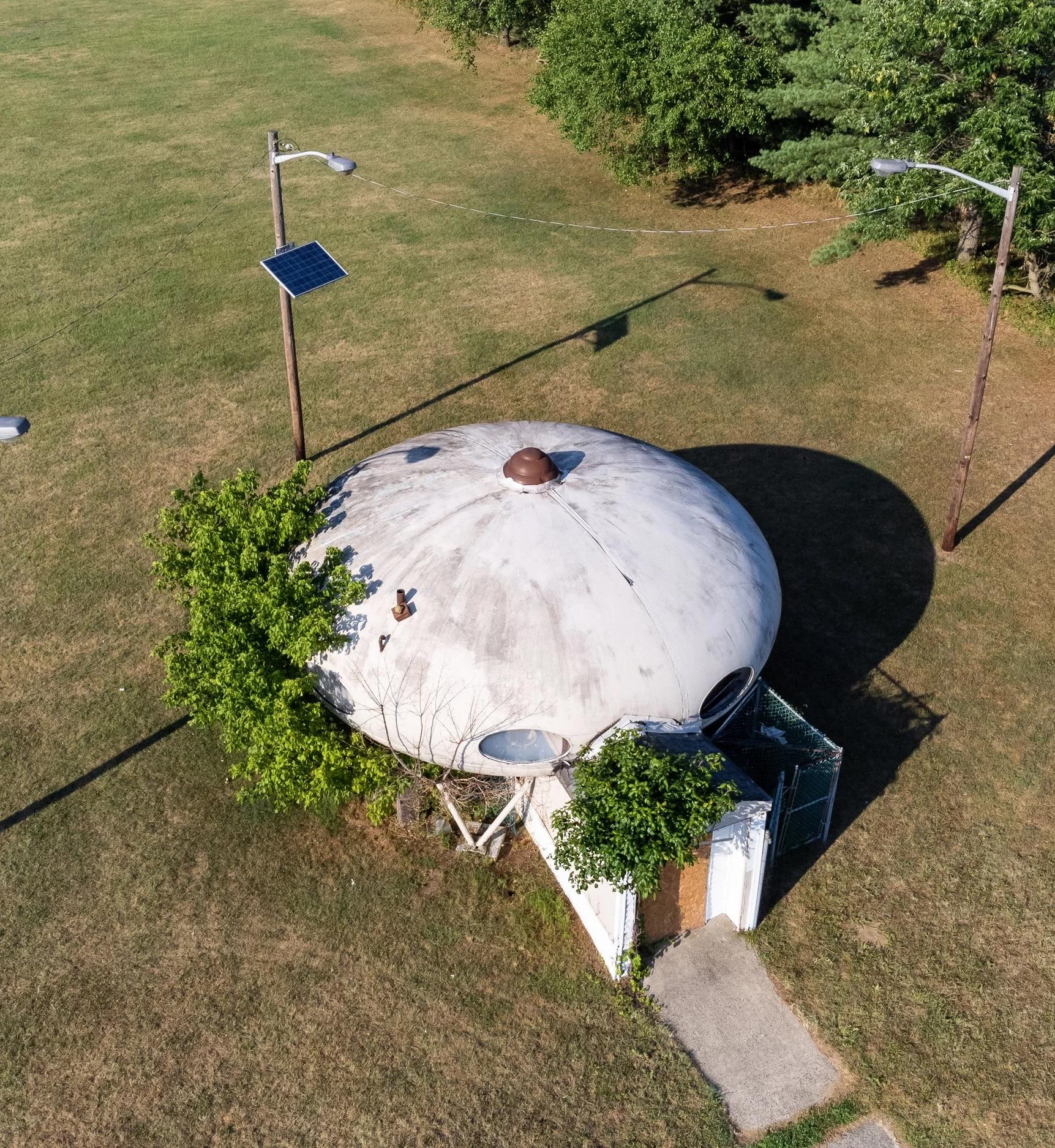
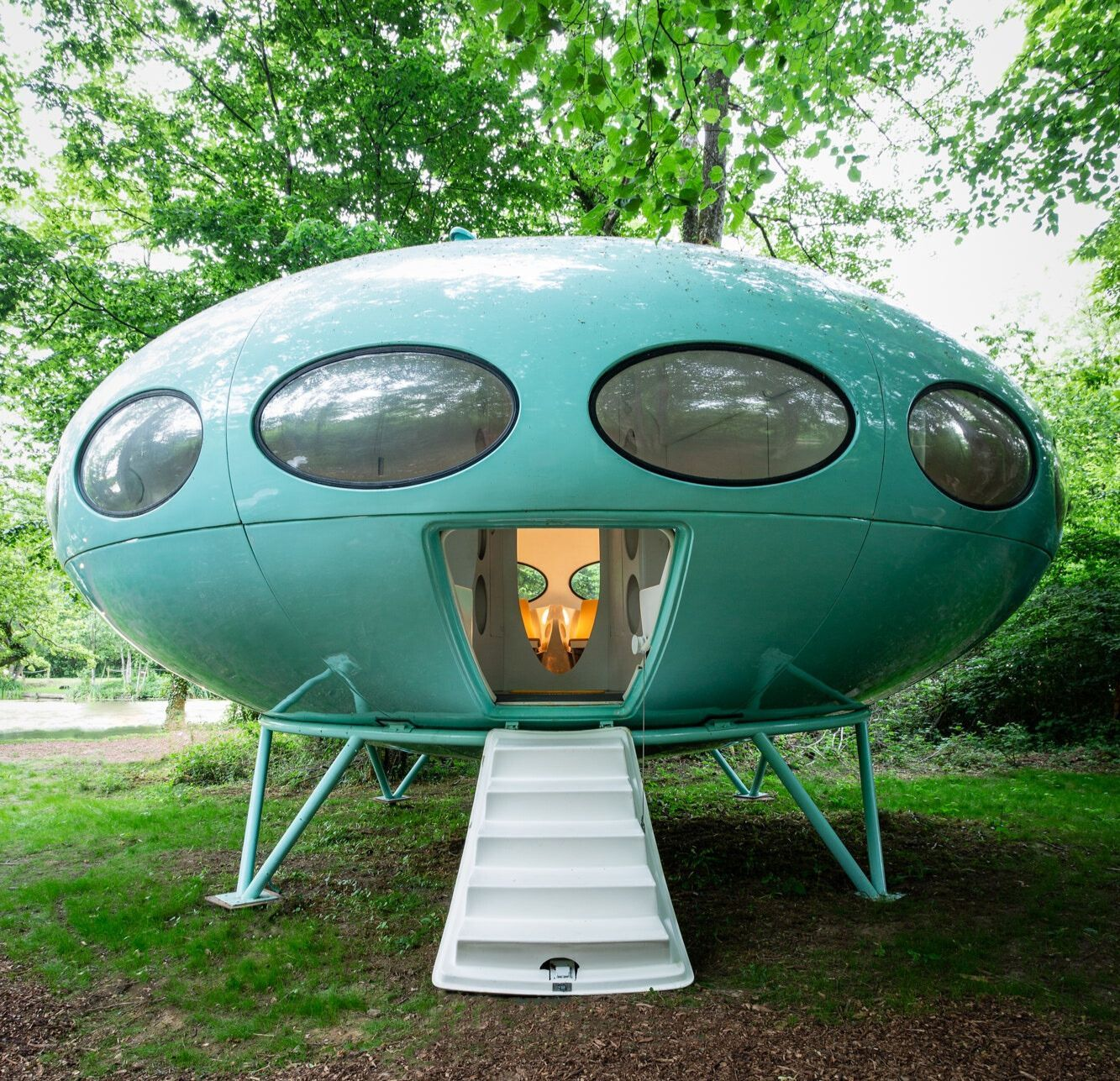
Matti Suuronen's Futuro House - a prefabricated house in the shape of a flying saucer, of which less than 100 were made.